
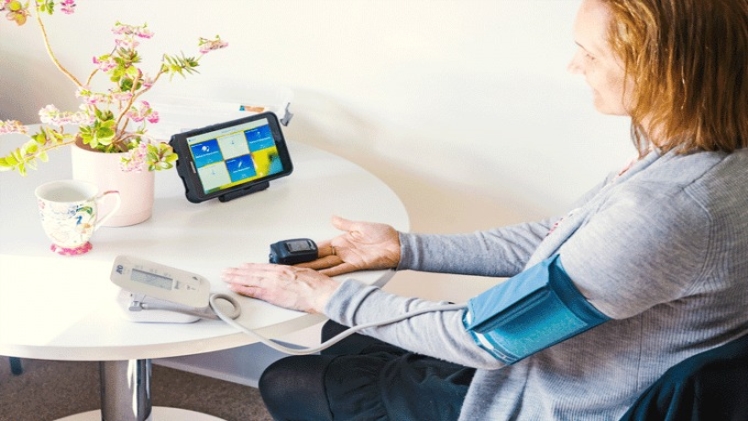
In today’s world, where work-from-home and distributed teams are becoming the norm, remote access solutions have become more crucial than ever. They enable users to access and control computers or networks from a remote location, facilitating a seamless and flexible working environment.
What is Remote Access?
Remote access is a technology that allows individuals to connect to a computer or network from a distant location as if they were directly in front of the local system. It has applications in many fields, from IT support to telecommuting, and even in personal use scenarios.
Benefits of Remote Access
– Flexibility and Mobility: Users can access their work systems from any location, promoting work-from-home and on-the-go productivity.
– Increased Productivity: With the ability to resolve issues and access files remotely, employees can work more efficiently.
– Cost Savings: Companies can save on infrastructure and office space as employees can work from anywhere.
– Disaster Recovery: In case of an on-site disaster, remote access ensures that business operations can continue uninterrupted.
Types of Remote Access Solutions
– Virtual Private Networks (VPNs): Securely connects remote users to a company’s network, allowing access to internal resources.
– Remote Desktop Software: Enables users to control a desktop environment over the internet with graphical interface support.
– Cloud Services: Provides access to applications and services hosted in the cloud, without the need for direct network connectivity.
– Direct Access Solutions: Offers seamless connection to company resources without the need for a VPN.
Key Features to Look For
– Security: Robust encryption, multi-factor authentication, and comprehensive access controls.
– Compatibility: Support for multiple operating systems and devices.
– Ease of Use: User-friendly interfaces and minimal setup requirements.
– Performance: Fast connection speeds and low latency.
– Scalability: Ability to support a growing number of users and devices.
Security Considerations
With cyber threats on the rise, security is a paramount concern. Secure remote access solutions should incorporate features like end-to-end encryption, multi-factor authentication, and robust user permissions.
Choosing the Right Solution
Selecting the right remote access solution depends on your specific needs. Consider the size of your organization, the level of IT support available, the types of devices in use, and your security requirements.
Conclusion
Remote access solutions are an indispensable part of modern IT infrastructure. They offer a blend of flexibility, efficiency, and continuity, which is essential in today’s dynamic and often unpredictable business environment.
