
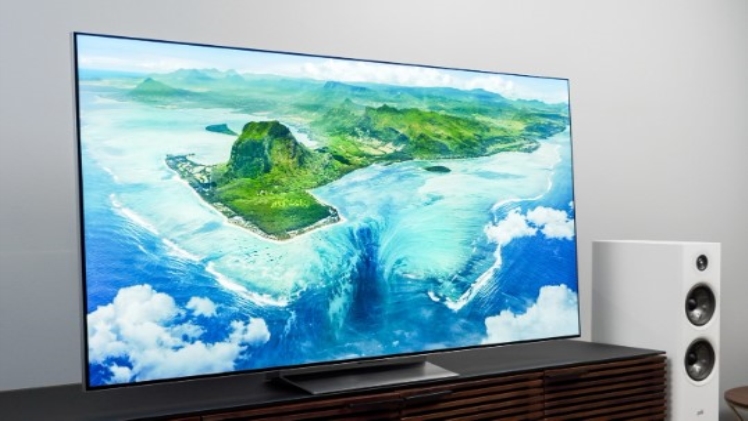
Television sets have come a long way since their inception, evolving into sophisticated devices capable of delivering stunning visual experiences. With a wide range of options available in the market, it can be challenging to determine which TV offers the best quality for your viewing pleasure. This article will guide you through the key factors to consider when judging TV quality, helping you make an informed decision before your next purchase.
In this digital era, televisions have become a centerpiece of entertainment in most households. Judging TV quality requires an understanding of various technical aspects and features that contribute to a superior viewing experience. Let’s delve into these factors and explore how they impact the overall quality of a TV.
Display Technology
The choice of display technology significantly influences TV quality. The two most common types are LED-LCD and OLED. LED-LCD TVs use a backlight behind the screen, while OLED TVs have self-emitting pixels that produce individual light and offer deeper blacks and better contrast.
You might be interested to know – Is Onn a Good TV? 7 Reasons To Help You Decide
Resolution and Picture Quality
The resolution determines the level of detail a TV can display. The most prevalent resolutions are Full HD (1080p), 4K Ultra HD (2160p), and 8K Ultra HD. Higher resolutions generally provide sharper and more lifelike images, but the content available in those resolutions should be considered.
Contrast Ratio and Black Levels
Contrast ratio refers to the difference between the brightest whites and darkest blacks a TV can produce. A higher contrast ratio results in more vibrant and realistic images. Deep black levels are crucial for enhancing details and ensuring a more immersive viewing experience.
Color Accuracy and Gamut
Color accuracy and gamut define how well a TV reproduces colors. TVs with wide color gamuts can display a broader range of colors, resulting in more realistic and vibrant images. Look for TVs with accurate color reproduction to enjoy true-to-life visuals.
Viewing Angles
Consider the viewing angles when judging TV quality, especially if you have a large seating area. TVs with wide viewing angles maintain consistent picture quality from various positions, allowing everyone to enjoy the content without any loss in color or contrast.
Refresh Rate and Motion Handling
The refresh rate indicates how many times per second the TV updates the displayed image. Higher refresh rates minimize motion blur and provide smoother, more fluid motion. Look for TVs with higher refresh rates, especially if you enjoy watching fast-paced sports or action movies.
HDR (High Dynamic Range)
HDR technology enhances the dynamic range of a TV, allowing for more detail in both bright and dark areas of the image. HDR content appears more realistic and vibrant, providing an immersive viewing experience. Look for TVs with HDR support for enhanced picture quality.
Sound Quality
While picture quality is essential, sound quality shouldn’t be overlooked. TVs with built-in high-quality speakers or support for external audio systems can significantly enhance your viewing experience. Look for TVs that offer immersive and clear sound reproduction.
Smart Features and Connectivity
Modern TVs often come with smart features that allow you to access streaming services, browse the internet, and connect to other devices wirelessly. Consider the available smart features and connectivity options to ensure the TV aligns with your entertainment preferences.
Size and Placement
The size of the TV should be suitable for your viewing distance and room dimensions. Larger screens can provide a more cinematic experience, but make sure they are not overwhelming for your space. Additionally, consider the placement options and ensure the TV fits well in your chosen location.
Energy Efficiency
Energy efficiency is not only beneficial for the environment but also for your electricity bills. Look for TVs with energy-saving features, such as automatic brightness adjustment and power-saving modes, to reduce energy consumption without compromising on quality.
Price Considerations
TV prices can vary significantly based on the brand, size, features, and technology. Set a budget range that suits your requirements and explore options within that range. Consider the value for money and prioritize the features that matter most to you.
User Reviews and Recommendations
Before finalizing your purchase, read user reviews and seek recommendations from trusted sources. Real-world experiences and opinions can provide valuable insights into the performance and reliability of different TV models.
Conclusion
Judging TV quality involves considering various factors such as display technology, resolution, contrast ratio, color accuracy, and viewing angles. Additionally, factors like sound quality, smart features, size, energy efficiency, price, and user reviews play a vital role in making an informed decision. By assessing these aspects, you can find a TV that delivers a superior viewing experience tailored to your preferences.
