
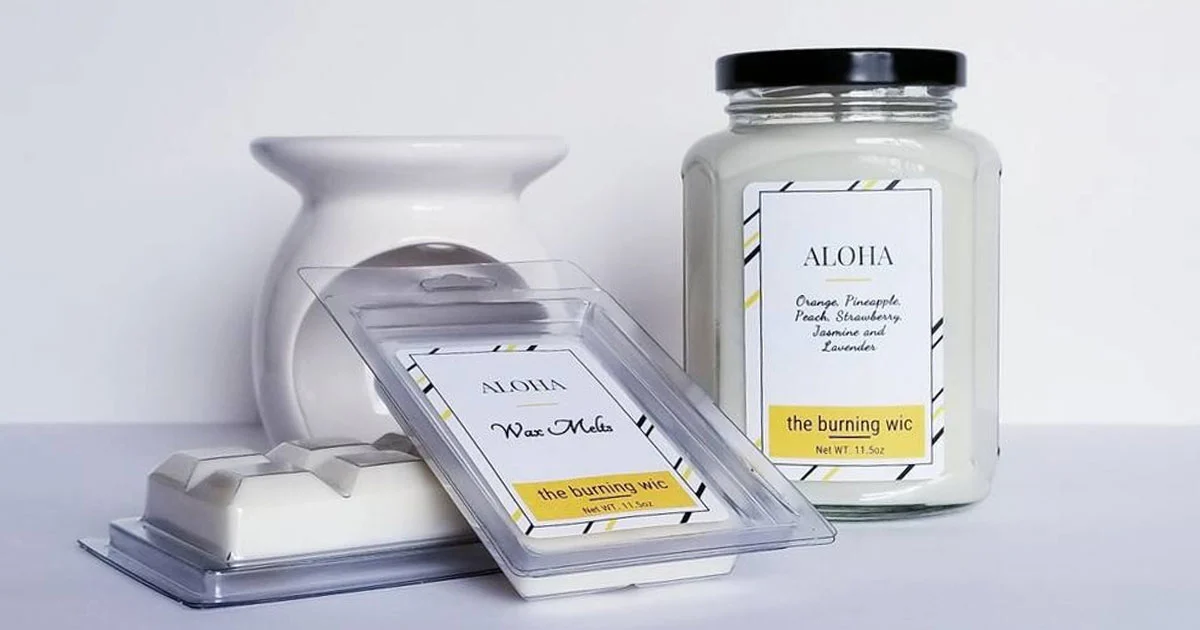
Creating the best product labels involves a blend of creativity, strategy, and an understanding of consumer psychology.
Product labels are more than just a tag on your merchandise; they are a direct communication channel with your customers.Here, we’ll go into some essential hacks to help you craft product labels that not only stand out on the shelves but also effectively convey your brand message and entice customers to make a purchase.
1. Know Your Audience Inside Out
Before you embark on designing your product labels, dive deep into understanding your target audience. Know their preferences, lifestyles, and what resonates with them.
Are they drawn to vibrant colors, minimalist designs, or eco-friendly products?
Tailoring your labels to your audience’s preferences increases the likelihood of capturing their attention and, ultimately, their loyalty.
2. Leverage Color Psychology
Colors have the power to evoke emotions and influence perceptions. Use color psychology to your advantage when creating product labels. For example:
- Red: Evokes excitement and passion, often used to stimulate impulse buying.
- Green: Associated with health and eco-friendliness, suitable for organic or natural products.
- Blue: Conveys trust and reliability, making it suitable for a wide range of products.
- Yellow: Creates a sense of optimism and energy, ideal for products targeting a youthful audience.
Consider the emotions you want your customers to feel and choose colors that align with your brand and product positioning.
3. Keep It Simple, Yet Striking
Simplicity is a design principle that never goes out of style. A cluttered label can overwhelm consumers and dilute your message.
Aim for simplicity, focusing on key information and eye-catching visuals. Use bold typography, clean lines, and strategic spacing to create a label that is both simple and striking.
4. Tell a Compelling Story
Consumers love a good story, and your product label is an opportunity to tell yours. Whether it’s the journey of how the product was created, the values of your brand, or the uniqueness of the product itself, storytelling adds a personal touch.
Use concise and engaging language that resonates with your audience, creating a connection beyond the transaction.
5. Harness the Power of Custom Shapes
Break away from traditional rectangular labels and explore custom shapes. Custom die-cut labels can add a unique and memorable element to your product. Consider shapes that complement your brand or product identity.
Whether it’s a silhouette of your logo or a shape that represents the product inside, custom shapes contribute to visual distinctiveness.
6. Prioritize Readability
No matter how visually appealing your label is, it must be readable. Choose fonts that are clear and legible, ensuring that essential information is easily understood.
Consider font size, especially for crucial details like product names, ingredients, and usage instructions. A label that is difficult to read can turn potential customers away.
7. Highlight Key Selling Points
Identify the key selling points of your product and ensure they take center stage on your label. Whether it’s a unique feature, a special ingredient, or a limited-time offer, make sure these points are easily visible.
Use visual cues such as bold fonts, icons, or color accents to draw attention to these selling points.
8. Embrace Transparency
Transparency in product labeling builds trust with consumers. Clearly display important information such as ingredients, nutritional facts, and certifications.
Consumers appreciate transparency, and it can be a deciding factor in their purchasing decisions, especially for those who prioritize health, ethical sourcing, or specific dietary requirements.
9. Incorporate Interactive Elements
Add an interactive element to your product labels to engage customers on a deeper level.
This could be a QR code that leads to additional product information, a fun and informative game, or even a scannable discount for their next purchase.
Interactive labels create a memorable experience and encourage customers to connect with your brand beyond the initial purchase.
10. Utilize Sustainable Materials
With the growing emphasis on sustainability, using eco-friendly materials for your product labels can be a significant selling point.
Opt for recycled or responsibly sourced materials and clearly communicate this on your label. Eco-conscious consumers appreciate brands that prioritize sustainability, and it can contribute to a positive brand image.
11. Consider Multi-Layered Labels
For products with extensive information, consider multi-layered labels. These labels have layers that can be peeled back to reveal additional details.
This is particularly useful for products with multiple scents (such as with shampoo labels), flavors (such as with hot sauce labels), uses, or languages. Multi-layered labels provide a clean and organized look while ensuring all necessary information is available.
12. Test, Iterate, and Get Feedback
Before finalizing your product labels, conduct thorough testing. Print prototypes and assess how they look on your actual product packaging.
Consider factors like color accuracy, material adherence, and overall aesthetics.
Seek feedback from a diverse group of individuals, including potential customers, to gather insights and make any necessary adjustments.
13. Collaborate with Design Professionals
If you’re not a design expert, consider collaborating with professionals who specialize in label design.
Designers bring a wealth of knowledge on visual hierarchy, color theory, and industry trends. Their expertise can elevate your label design and ensure it aligns with both your brand identity and current design standards.
14. Ensure Consistency Across Products
If you have multiple products within your brand, maintain consistency across your product labels.
This consistency creates a cohesive brand identity, making it easier for customers to recognize and trust your products. Use similar color schemes, fonts, and branding elements to establish a unified visual presence.
15. Stay Informed on Labeling Regulations
Keep yourself informed about labeling regulations specific to your industry. Compliance with legal requirements ensures that your product labels are not only visually appealing but also meet the necessary standards.
Familiarize yourself with guidelines related to ingredient listing, safety warnings, and any industry-specific certifications.
Conclusion
Creating the best product labels involves a combination of art, strategy, and a deep understanding of your target audience.
By incorporating these hacks into your label design process, you can craft labels that not only grab attention but also effectively communicate your brand message.
Whether you’re emphasizing sustainability, storytelling, or interactive elements, the goal is to create labels that leave a lasting impression and drive customer loyalty. The best product labels go beyond being informative; they become an integral part of your brand experience.
