
Introduction
Melatonin is a hormone naturally produced by the pineal gland in the brain, and it plays a crucial role in regulating the sleep-wake cycle. It is also available as a supplement to help manage sleep-related issues such as insomnia and jet lag. If you’re considering using melatonin to improve your sleep patterns, it’s essential to understand how long it takes for melatonin to take effect, as the timing can significantly impact its effectiveness. In this article, we will explore the factors affecting the onset of melatonin’s effects and how to use it for optimal results.
The Role of Melatonin in Sleep
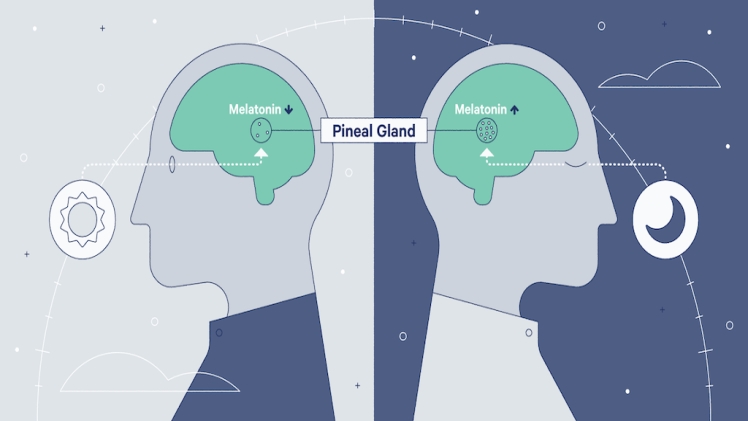
Melatonin is often referred to as the “sleep hormone” because it helps regulate the body’s internal clock and signals when it’s time to sleep. The pineal gland releases melatonin in response to the diminishing light levels in the evening, leading to a state of drowsiness and eventually sleep. However, when our natural melatonin production is disrupted due to factors like shift work, jet lag, or insomnia, supplementing with melatonin can be beneficial.
Factors Affecting Melatonin Absorption
The time it takes for melatonin to take effect can vary from person to person and is influenced by several factors:
Dosage: The dosage of melatonin you take can affect how quickly it works. Lower doses may take longer to have an impact, while higher doses can lead to a more immediate response.
Formulation: Melatonin supplements are available in various forms, including pills, capsules, gummies, and liquids. The formulation can affect the time it takes for the body to absorb and respond to melatonin.
Individual Variation: Each person’s body processes melatonin differently. Some individuals may experience its effects more rapidly, while others may require more time.
Consistency: Regular use of melatonin can lead to quicker and more consistent results, as it helps reset the body’s internal clock.
How Long Does It Take for Melatonin to Kick In?
The onset of melatonin’s effects typically ranges from 30 minutes to an hour after ingestion. However, it’s important to note that melatonin isn’t a “sleeping pill” in the traditional sense. It doesn’t induce sleep directly; instead, it signals to the body that it’s time to sleep. The exact timing can vary, so it’s advisable to take melatonin about 30 minutes before you want to fall asleep.
Tips for Using Melatonin Effectively
Start with a Low Dose: If you’re new to melatonin supplements, begin with a low dose, typically 0.5 mg or 1 mg, and gradually increase it if needed.
Time It Right: Take melatonin about 30 minutes to an hour before your desired bedtime. Be consistent with your timing.
Avoid Bright Light: Dim the lights and reduce exposure to screens with blue light, as it can interfere with melatonin production.
Consult a Healthcare Provider: If you have persistent sleep issues or need guidance on melatonin use, consult a healthcare provider to determine the best approach for your specific needs.
Use as Needed: Melatonin is not intended for daily use over extended periods. It is more effective when used as an occasional solution for sleep-related problems.
Conclusion
Melatonin can be a helpful aid in managing sleep disorders and regulating your sleep-wake cycle. Understanding how long it takes for melatonin to take effect, considering the factors that influence absorption, and using it judiciously can contribute to improved sleep quality and overall well-being. If you’re uncertain about the use of melatonin or have persistent sleep issues, it’s always a good idea to consult with a healthcare professional for personalized advice.
